
Bench Warrants in DeKalb County
In DeKalb County, a bench warrant is a judge's order that typically follows a failure to appear or a violation of release conditions. Criminal, traffic, and probation cases can all produce one. The label alone does not tell you the full cause or whether the matter is still open. Indiana sources say "bench warrant" or "arrest warrant," and "capias" has not been verified as the local term. Read the exact docket language and confirm it with the issuing court.
DeKalb County Bench Warrant Dockets
Search MyCase for your DeKalb County case and read the chronology. Look for the hearing notice, the failure-to-appear event, the warrant, any later appearance, recall, and bond. MyCase is a case search, not a complete statewide warrant search.
- Write down the court code and case number.
- Check whether a continuance was actually granted.
- Call counsel or the issuing court promptly.
- Ask whether a hearing, filing, or surrender is required.
- Keep written proof of any recall or new date.
A negative search cannot rule out a confidential, new, city-court, federal, or non-Odyssey matter.
How a DeKalb County Bench Warrant Is Issued
Issuance happens inside the underlying case. The judge acts after a missed obligation or a release-condition problem, a clerk's docket entry records the event, and the Sheriff may receive the warrant for service. The court, not any vendor portal, controls issuance and recall. DeKalb County's local continuance rule generally requires a written motion, a conference, three mutually available dates, and a statement about opposition. Calling a lawyer, the Clerk, or the Sheriff does not by itself move a hearing. Only the court can accept the change.
Missed court: Do not assume a requested continuance was approved. Confirm the signed order or docketed new date with the court.
DeKalb County Bench Warrant Prevention
The DeKalb local rules, effective March 3, 2025, explain scheduling and case assignments, but only the case docket shows what happened in one matter. If your hearing date has passed, do not trust promises like "same-day reset" or "automatic recall." Ask instead what filing the court accepts, whether counsel must appear, whether the judge set bond, and whether a direct surrender is required. Write down the office you contacted, the date, the new setting, and the exact status stated. A verbal answer helps. A court order is stronger proof.
DeKalb County Bench Warrant vs Arrest Warrant
Both can put a person in custody. A DeKalb County bench warrant normally follows a court obligation, while an arrest warrant rests on statutory grounds tied to an alleged offense.
| Feature | Bench Warrant | Arrest Warrant |
|---|---|---|
| Typical trigger | Missed appearance or release condition | Indictment or probable cause |
| Issuer | Judge in the existing case | Judge or clerk under Indiana law |
| Record focus | Hearing, FTA, bond, recall | Person, offense, command, bail |
| Next step | Issuing court, counsel, Sheriff | Counsel, court, planned surrender |
See DeKalb County arrest warrants for the probable-cause process.
DeKalb County Bench Warrant Court Codes
DeKalb County court codes matter when you pull a docket. Circuit Court is 17C01, Superior Court I is 17D01, Superior Court II is 17D02, and DeKalb/Butler City Court is 17H01. Using the right code keeps a city matter from being confused with a county docket. MyCase carries the public court-search route.
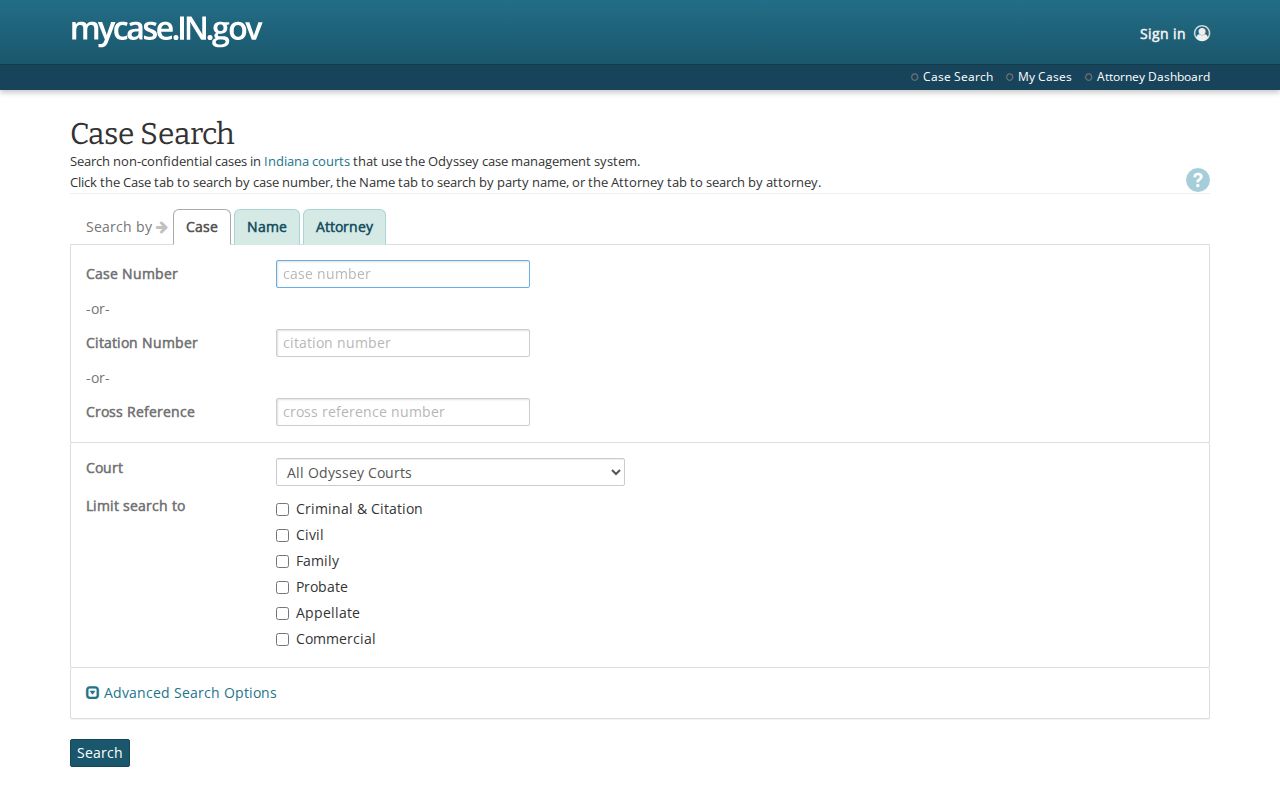
Search your own identifying details carefully. To resolve a DeKalb County name match, never publish a full date of birth, address, or license number.
How to Resolve a DeKalb County Bench Warrant
Start by confirming the court, case number, warrant type, issue date, status, and bond. Then ask whether the judge will accept an attorney filing, a scheduled appearance, a warrant-recall request, or a planned surrender. No universal online clearing button exists in DeKalb County.
Prepare first: An attorney can address the court process while the Sheriff explains booking, surrender, and custody logistics.
DeKalb County lists cash, clerk, surety, and own-recognizance release methods, but the warrant and the judge's order control. Judge-only categories may require a court appearance before bail is set. Get receipts, and get a recall order when one is available.
DeKalb County Bench Warrant Payment and Recall
A balance payment, a kiosk receipt, or an online status change is just one event in the case. It does not by itself prove a bench warrant was withdrawn. Ask whether the judge recalled the warrant, whether a hearing remains, and whether the Sheriff's database received the update. For traffic matters, call the Clerk traffic line at 260-925-4576 and ask separately about any BMV notice. For criminal dockets, use 260-925-4575. The main Clerk number is 260-925-0912. Note: Keep the case number, payment receipt, court order, and confirmation date together until every system reflects the same result.
Which DeKalb County Court Issued It
The DeKalb County trial courts and Clerk sit at 100 S. Main Street, Auburn. Circuit Court, Superior Court I, and Superior Court II divide matters under local rule. Butler City Court is at 217 S. Broadway Street, Butler. Its phone is 260-868-2441.
Clerk Criminal
County criminal docket questions
260-925-4575
Clerk Traffic
Traffic and citation docket questions
260-925-4576
DeKalb Sheriff
Service and surrender information
260-925-3365
The court controls recall. The Sheriff controls service and custody logistics.
Portal Lag and Scam Calls
The Sheriff search page warns that its data may not be current or complete. A recalled warrant might still appear, and a newly issued one might not, so confirm status before relying on either result. In March 2025, the Sheriff warned of callers claiming missed-jury-duty warrants and demanding payment. Staff will not call to discuss outstanding warrants or collect fines. Never pay by gift card, cryptocurrency, wire, or an unknown remote link. Hang up and call 260-925-3365 or the court directly. DeKalb County runs no amnesty or roundup program.
DeKalb County Bench Warrant Bond Choices
DeKalb County gives a person with a bench warrant four ways to get released, and the differences matter. The DeKalb County Sheriff spells them out. Cash bond means paying the full amount plus the county's stated $5 bond fee and service fees. A clerk bond may let you post 10 percent of the required bond with no co-signer. A surety bond runs through a bondsman. Own recognizance is just a written promise to appear, allowed when the court permits it and no money changes hands. None of that promises a method works on your warrant, though. DeKalb County local rules put bail in the court's hands, endorsed on the warrant where applicable, and the advisory bail schedule reserves listed categories for a judge alone. So the warrant itself and the latest order control what you can actually do. Before paying anything, call the Sheriff bail route and ask what payment they accept, what service charges apply, how booking and receipts work, and how release gets processed. The lobby kiosk runs around the clock. Kiosk access alone does not mean instant release, and it does not prove the warrant has been recalled. Then ask the court whether a hearing still follows the bond. Keep the receipt and the recall order separate, because one shows payment and the other shows court action.
The chronology behind a missed setting deserves a close read, in order. A notice or docket entry establishes the scheduled event. A continuance request only shows that somebody asked to move it. The judge's order is what decides whether the date actually changed. If the original date passes without an approved change, later entries may show failure to appear, warrant issuance, bond action, a new hearing, or recall. Ask the court to explain any abbreviated label. Court assignments in DeKalb County also block any one-office assumption. Circuit Court, Superior Court I, and Superior Court II divide the county's work under LR17-AR 1-1, while Butler City Court keeps its own docket, numbered 17H01. The court named in the case controls the bench warrant even when the Sheriff serves it. A city police department or town marshal can answer questions about its own agency, but it cannot withdraw another court's order.
Public access limits what an online search can prove, even in DeKalb County. MyCase may show a public warrant event in a criminal case summary, yet it is not a complete statewide warrant search. A newly entered, confidential, federal, or different-county matter may simply not appear through the filter you expected. Ask the Clerk whether you are looking at a case summary, a docket entry, a redacted document, a courthouse-only file, or a certified copy. A targeted APRA request can seek an existing public warrant, return, recall, or service record if it identifies the case, court, approximate date, and document. The Sheriff's Records Division reports a 24-hour response for in-person requests and seven days by mail, though those periods never guarantee disclosure, since the court may hold the record and confidential material can be withheld or redacted. A planned surrender needs its own confirmation too. The DeKalb County jail lobby and payment kiosk operate around the clock, but the county warrant page does not promise every surrender type is accepted at every hour, so ask the Sheriff about timing, identification, medication, booking, transportation, and bond, and ask the court or counsel whether a hearing or recall request should come first. Keep the terminology exact as well. "Failure to appear" marks a missed required appearance, "recall" or "quash" means the court withdrew the warrant, and "return" records an officer's action on the order. Bond forfeiture is a consequence tied to release and appearance, not another name for a bench warrant. If a portal uses an abbreviation, ask the Clerk what it means in that case, and note that DeKalb County dockets do not use "capias" as their standard public label, so importing that term can point you toward the wrong process. Rely on the wording of the current order and the latest docket entry.